
Sewer Line Replacement
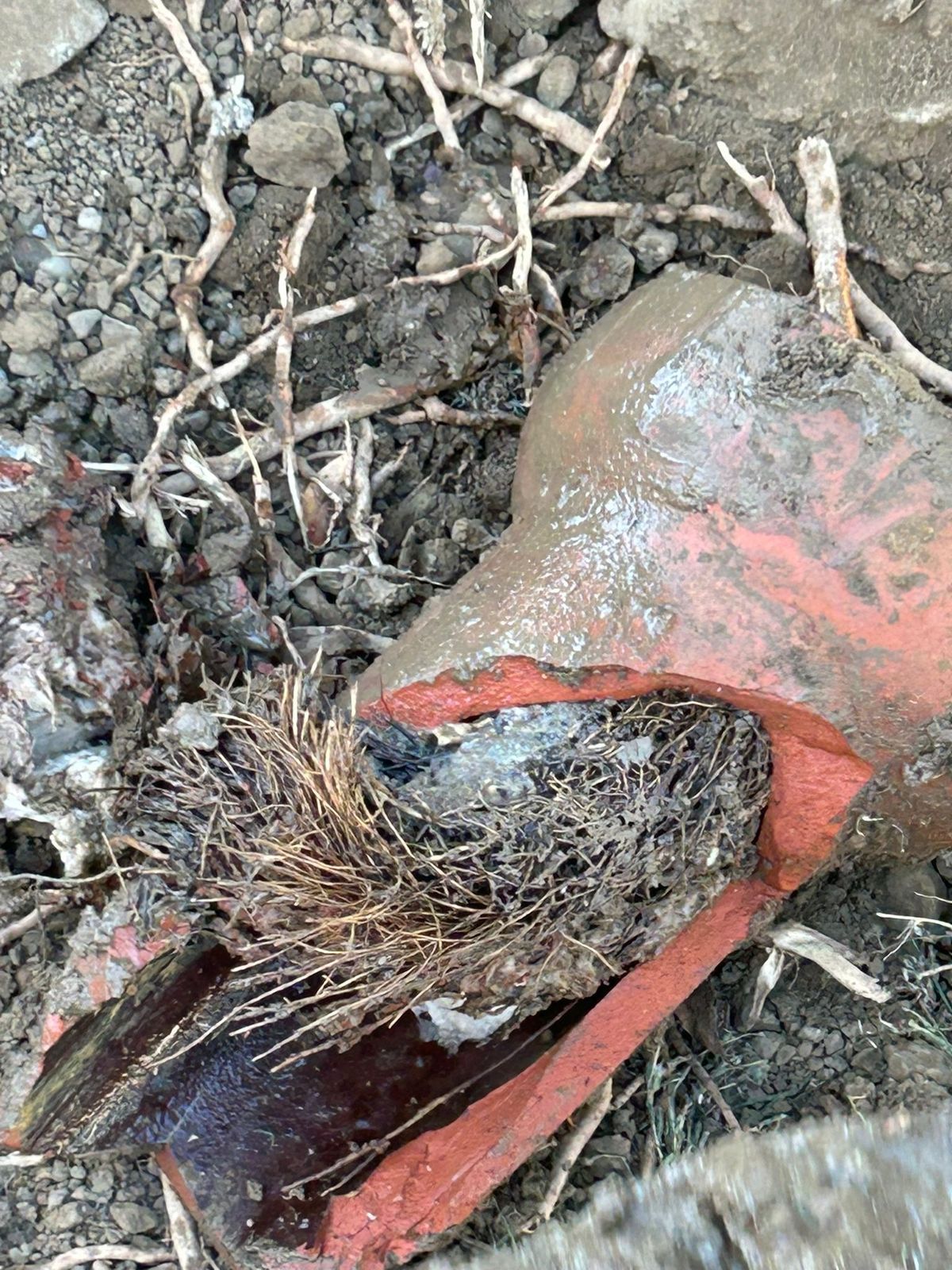
When Repairs No Longer Fix the Problem
Sewer Line Replacement in Simi Valley for collapsed pipes, severe deterioration, and aging infrastructure beyond effective repair
Older homes and commercial buildings in Simi Valley often contain original sewer lines installed forty to seventy years ago, when clay pipe and early cast iron represented standard materials that have since deteriorated past the point where patching or cleaning restores function. Sewer Rescue Inc evaluates existing pipe conditions using camera inspection footage that reveals whether multiple failure points, extensive root damage, or wall thinning from corrosion means replacement makes more sense than attempting repairs that address symptoms without solving the underlying structural problems. Properties built before modern PVC and ABS standards frequently reach this decision point when repeated backups continue despite cleaning, or when inspection video shows pipes that have lost their original shape from ground pressure or chemical breakdown.
The replacement process begins with camera documentation of the entire line from your building foundation to the municipal connection, measuring pipe diameter, mapping the route, and identifying depth at various points so the new installation can be planned accurately. Once the evaluation confirms replacement as the appropriate solution, the work involves removing the failed pipe and installing new material that meets current plumbing codes, maintains proper slope for gravity flow, and uses joints designed to resist root intrusion and ground movement for decades ahead. Modern replacement methods prioritize system reliability and reduced maintenance compared to the original installation.
Arrange an on-site evaluation to determine whether your sewer line condition requires replacement or can be addressed through targeted repairs.
What You Notice Once Replacement Is Finished
Replacing a deteriorated sewer line eliminates the pattern of recurring backups, slow drainage, and emergency service calls that characterize systems with multiple failure points or widespread pipe damage. The new installation handles peak flow from simultaneous fixture use without hesitation, moves solid waste efficiently without accumulation, and resists the root intrusion and corrosion that destroyed the original line. Properties with aging infrastructure see the difference immediately when toilets flush completely, floor drains clear during heavy use, and sewage odors no longer appear in yards or crawl spaces.
The work improves flow capacity compared to pipes narrowed by decades of scale buildup or root masses, reduces the likelihood of future excavation since modern materials resist the degradation that affected clay and early metal pipes, and provides decades of reliable service with minimal maintenance requirements. You gain a system designed to current standards rather than one compromised by age-related deterioration that no amount of cleaning or patching can fully overcome.
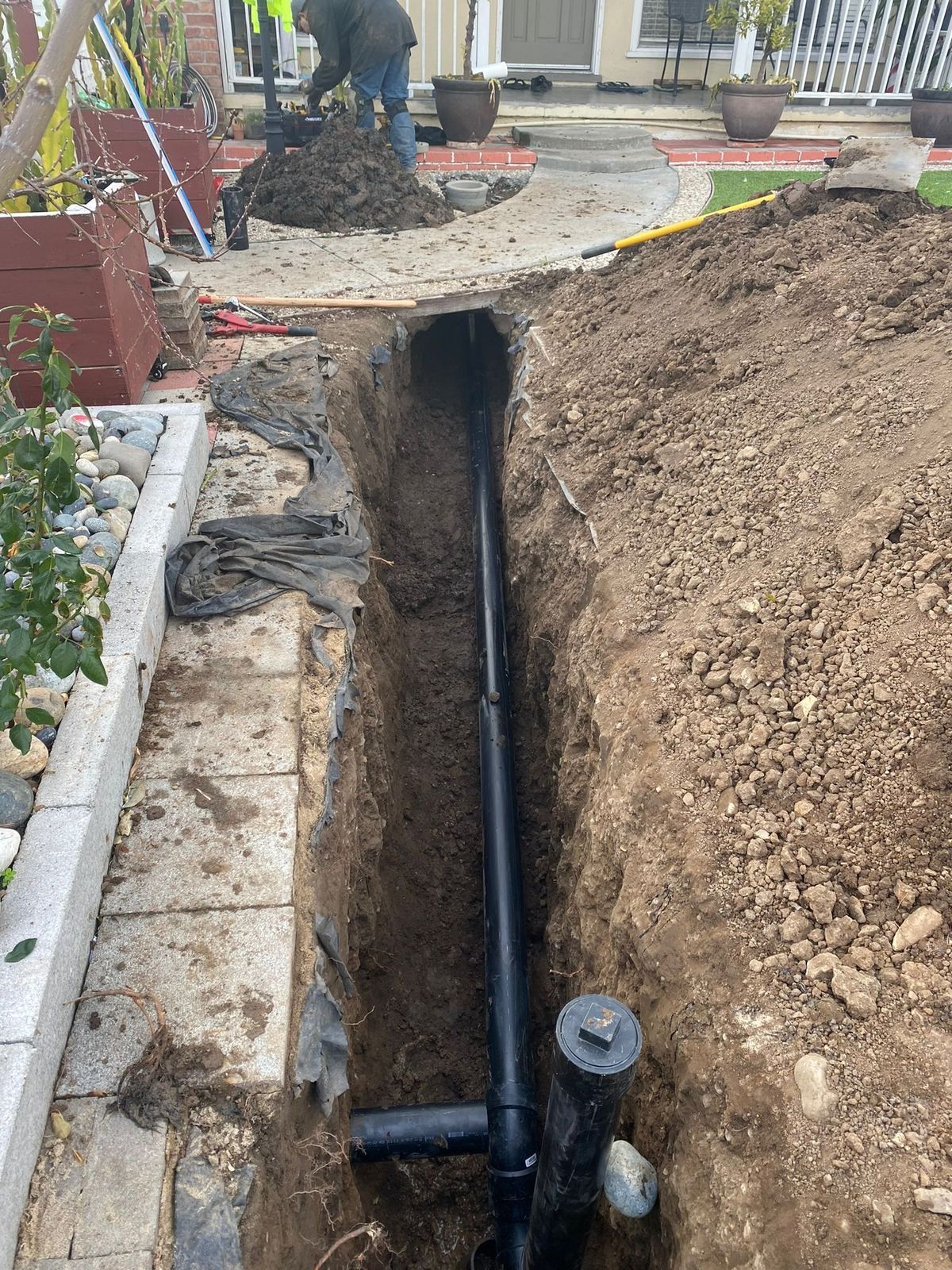
Replacement projects include removing and disposing of the failed pipe, installing new material from foundation to street connection, testing the completed system for proper flow and leak-free joints, and restoring excavated areas to their previous condition. The scope depends on total line length, depth below grade, and whether obstacles like mature trees or existing hardscaping affect the installation route.
Answers to Frequent Service Questions
Replacement represents a significant investment, and understanding when it becomes necessary helps you plan appropriately for this infrastructure upgrade.
When does replacement make more sense than ongoing repairs?
Replacement becomes the logical choice when camera inspections reveal damage throughout most of the line rather than isolated problem areas, when pipe material has deteriorated to the point where structural integrity is compromised, or when repair costs approach replacement expense without providing the longevity that new materials offer.
What methods are used for sewer line replacement in Simi Valley?
Traditional excavation remains the standard approach for most residential and commercial properties, creating access to remove old pipe and install new material along the entire run, though specific methods adapt to pipe depth, soil type, and whether the line runs beneath structures or landscaping that must be preserved.
How does new pipe material compare to what was originally installed?
Modern PVC and ABS sewer pipe resist root penetration at joints, will not corrode from chemical exposure or soil conditions, maintain smooth interior surfaces that prevent waste accumulation, and carry warranties measuring decades rather than the unspecified lifespan of clay or early metal materials.
What happens to landscaping and hardscaping during replacement?
Excavation requires removing surface materials above the pipe route, with restoration included in the project scope to return driveways, walkways, and yard areas to their previous condition once the new line is installed and tested.
How long does a complete sewer line replacement take?
Most residential replacements complete within two to five days depending on total line length, depth, soil conditions, and restoration requirements, while commercial projects vary based on building size and system complexity.
Sewer Rescue Inc brings over twenty years of experience handling complex sewer replacement projects throughout Simi Valley, Thousand Oaks, West Lake Village, Northridge, Woodland Hills, and Reseda. Request a free replacement consultation to review your pipe condition and discuss installation options specific to your property.